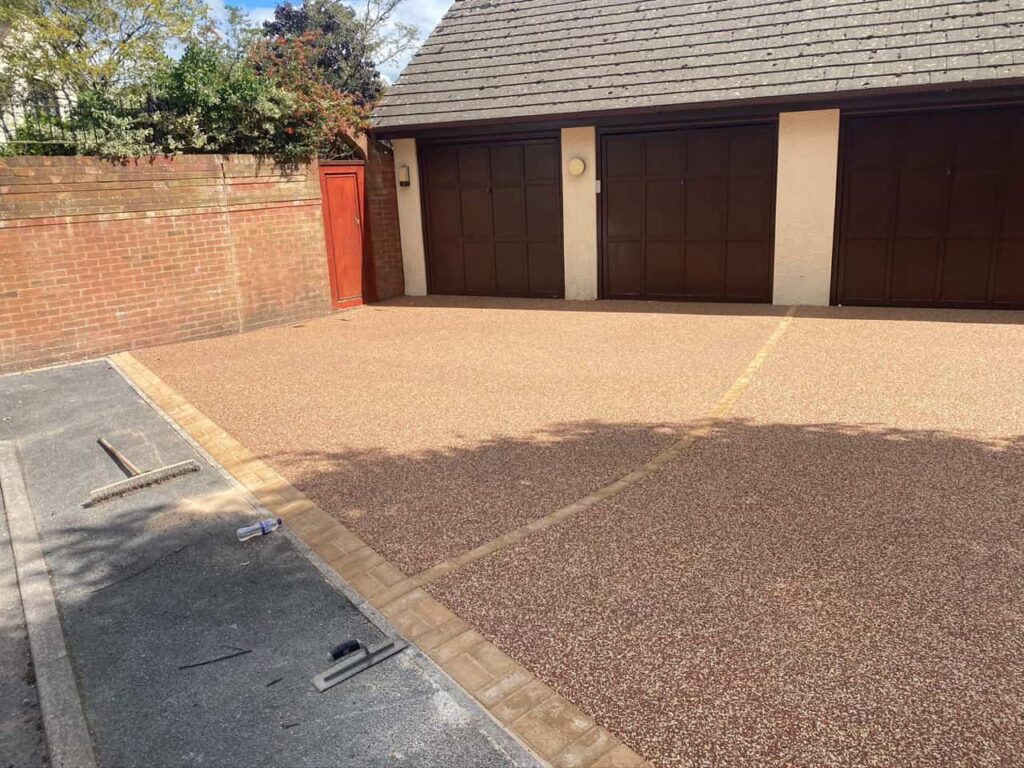
What Are the Main Benefits of a Tar & Chip Driveway?
Tar and chip is a practical surfacing option that combines a bitumen binder with a layer of natural stone aggregate. Once the stone is applied, it is rolled firmly into the binder to create a textured, durable finish.
For property owners in Chatteris, Cambridgeshire, a professionally installed tar and chip driveway can offer an attractive balance of appearance, grip and everyday performance. Understanding its main benefits can help you decide whether it is suitable for your property.
Why Consider a Tar and Chip Driveway?
A driveway needs to do more than improve the appearance of a property. It must also withstand regular vehicle movements, changing weather and the demands placed on the ground beneath it. Tar and chip performs particularly well when the base, drainage and surface application are carefully planned.
A Natural, Textured Appearance
One of the most distinctive benefits of tar and chip is its natural-looking finish. The visible stone aggregate creates a softer and more traditional appearance than a completely smooth surface.
Different aggregate colours and sizes can be selected to complement the surrounding property and garden. The textured finish can sit comfortably within both established and more contemporary settings without appearing overly formal.
Reliable Grip Underfoot and for Vehicles
The exposed stone creates a naturally textured surface that provides good traction for pedestrians and vehicles. This can be especially useful on driveways with gentle slopes or areas where a smooth finish may feel less secure during wet conditions.
The correct aggregate must be chosen and properly embedded into the binder. Professional installation helps produce an even finish without leaving excessive loose stone across the completed surface.
Suitable for Regular Vehicle Use
When laid over a stable and well-prepared base, tar and chip can cope effectively with normal household vehicle movements. The bitumen layer binds the surface together, while the aggregate helps protect it from direct wear.
Its performance depends heavily on the foundation beneath it. Weak ground, insufficient compaction or inadequate preparation can allow movement, depressions and cracking to develop regardless of the quality of the visible finish.
Effective Coverage for Larger Driveways
Tar and chip is particularly well suited to substantial driveway areas because its texture prevents a large surface from looking plain or overly uniform. The stone finish adds visual interest while creating a consistent driving surface.
Careful planning is still required around turning areas, entrances and frequently used parking positions. These sections may experience greater stress and should have a base designed for the expected level of use.
Small Marks Are Less Noticeable
The varied colour and texture of the aggregate can make dust, tyre marks and minor surface blemishes less conspicuous than they might be on a completely uniform driveway.
This does not remove the need for occasional maintenance, but it can help the surface retain a tidy appearance during normal use. Leaves, mud and organic matter should still be cleared to prevent drainage routes from becoming obstructed.
A Surface That Can Adapt to the Property
Tar and chip can be installed around curves, wider parking areas and established landscape features. Its appearance can also be refined through the choice of aggregate and edging.
Suitable edging helps define the driveway, supports the margins and limits stone migration. It can also provide a neat transition between the driveway and neighbouring lawns, paths or planting areas.
Straightforward Ongoing Care
A well-installed tar and chip driveway generally requires uncomplicated routine care. Keeping the surface clear of debris and addressing any localised damage promptly can help preserve its condition.
Some loose aggregate may be present after installation while the surface settles. This is normal to a degree, but persistent stone loss, exposed binder or developing depressions should be inspected before the affected area worsens.
Good Drainage Can Be Incorporated Into the Design
A tar and chip surface is not automatically permeable, so correct levels and drainage arrangements are important. The driveway should direct rainwater away from vulnerable areas without allowing it to collect in low points.
Professional planning considers the gradient, surface falls, channel positions and the condition of the underlying ground. Effective water management helps protect both the finished surface and its supporting layers.
Why Preparation and Installation Matter
The long-term performance of a tar and chip driveway depends on much more than its final layer. Before surfacing begins, the ground should be assessed and unsuitable material removed where necessary. The sub-base must then be correctly formed and compacted.
The binder should be applied evenly, with the chosen aggregate distributed at the appropriate stage and rolled securely into place. Attention must also be given to edges, joints, drainage and areas exposed to repeated turning movements.
A professional assessment can determine whether an existing base is suitable or whether more extensive preparation is required. This avoids simply covering weaknesses that may later become visible through the new surface.
Conclusion
The main benefits of a tar and chip driveway include its natural appearance, textured grip, suitability for regular vehicle use and ability to cover substantial areas effectively. It can also disguise everyday marks and provide a finish that complements the surrounding property.
These benefits rely on a stable foundation, correct drainage and careful application. If you are considering this surface for your property in Chatteris, Cambridgeshire, contact Chatteris Driveways to arrange an assessment and discuss whether tar and chip is appropriate for your driveway.
Call us on: 01354 707 465
Click here to find out more about Chatteris Driveways
Click here to complete our contact form and see how we can help with your driveway needs.