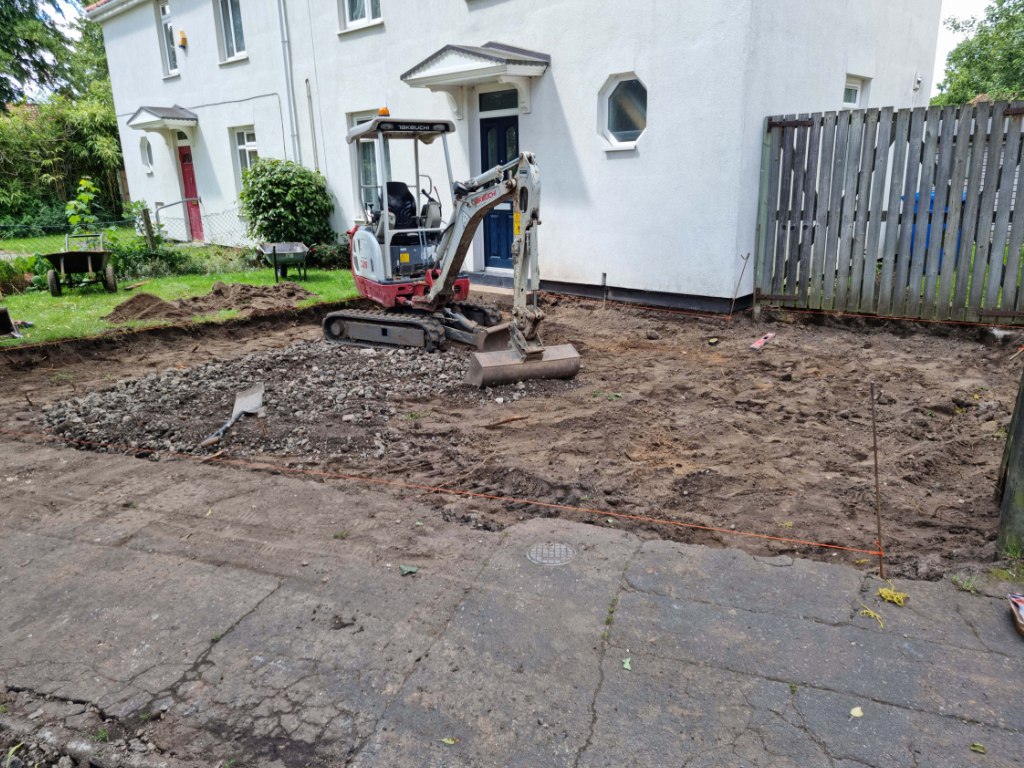
How to Prevent Edge Cracking on Tarmac Paths and Patios
Tarmac paths and patios remain one of the most reliable and durable surfacing options for residential and commercial properties alike. They’re smooth, versatile, and able to withstand regular use when properly maintained. However, one of the most common problems homeowners face over time is edge cracking. These small fractures may seem insignificant at first but can quickly spread and compromise the integrity of the surface.
At Chatteris Driveways, we’ve worked with countless property owners across Chatteris, Cambridgeshire, helping them identify, repair, and prevent cracking along the edges of tarmac surfaces. Understanding why edge cracks form and how to avoid them is key to ensuring your tarmac paths and patios remain strong and attractive for years to come.
Why Edge Cracking Happens on Tarmac
Edge cracking typically starts when the sides of a tarmac surface are left unsupported or exposed to stress that exceeds the material’s flexibility. Unlike central areas of a driveway or path, edges often lack the same degree of structural support, making them more vulnerable to damage.
Common Causes Include:
- Insufficient edge restraint: Without proper edging materials, tarmac edges can shift or crumble.
- Poor base compaction: If the foundation beneath the edges wasn’t compacted properly, the surface can weaken and sag.
- Water infiltration: Rainwater that seeps beneath edges can erode the sub-base, leading to cracks and eventual breakage.
- Vehicle pressure: Driving or parking too close to the edge of a tarmac surface places concentrated stress on unsupported areas.
- Temperature changes: Seasonal expansion and contraction can cause tarmac to crack, particularly where edges are thin or exposed.
By addressing these underlying factors early, you can greatly reduce the likelihood of cracking and maintain a stable, long-lasting surface.
The Importance of Proper Edge Support
When it comes to tarmac longevity, edge support plays a vital role. Without solid boundaries, even well-laid tarmac will eventually start to crumble or fracture along its perimeter. Installing physical restraints such as concrete kerbs, brick edging, or compacted gravel borders ensures that the edges are held firmly in place.
At Chatteris Driveways, we always stress that the strength of a tarmac path or patio doesn’t lie just in the surface — it begins with preparation and proper edge containment. This helps distribute loads evenly and prevents the surface from spreading or lifting over time.
Effective Ways to Prevent Edge Cracking
Whether you already have a tarmac surface or are planning a new installation, the following steps will help protect it from cracking at the edges.
1. Install Strong Edge Restraints
Use durable edging materials such as concrete, kerbs, or decorative blocks to provide lateral support. This keeps the tarmac contained and prevents the edges from deteriorating under stress or movement.
2. Compact the Sub-Base Properly
Before laying tarmac, ensure the base layer is evenly compacted and level. Poor compaction allows water to settle beneath the surface, which weakens the foundation and leads to cracking.
3. Keep Heavy Loads Away from Edges
Avoid parking vehicles or placing heavy objects near the edge of paths and patios. Concentrated weight in these areas can cause stress fractures that eventually expand.
4. Maintain Good Drainage
Standing water is one of the leading causes of edge failure. Make sure your tarmac path or patio slopes slightly to allow rainwater to run off. This prevents erosion and keeps the sub-base dry and stable.
5. Regularly Inspect and Seal Small Cracks
Early intervention is key. If you notice hairline cracks forming along the edges, have them sealed before they widen. At Chatteris Driveways, we recommend routine inspections to spot early warning signs before they escalate into larger repairs.
6. Control Vegetation Growth
Weeds and roots growing along the perimeter can lift or break tarmac edges. Keeping these areas clear prevents root expansion and maintains surface stability.
Recognising Early Warning Signs
Edge cracks often begin as subtle lines that may not seem concerning. However, they can quickly progress if ignored. Catching these signs early helps avoid costly resurfacing later on.
Look Out For:
- Fine lines or hairline cracks near the edge of your tarmac.
- Slight separation between the tarmac and any adjoining edging.
- Loose, crumbling material along the perimeter.
- Pooling water near or under the edge.
If you notice any of these symptoms, it’s best to have the area assessed by professionals like Chatteris Driveways. We can determine whether a simple edge reinforcement or resurfacing is required.
The Benefits of Ongoing Maintenance
Preventing edge cracking isn’t a one-time task — it’s part of good tarmac maintenance. With regular cleaning, inspections, and timely repairs, you can extend the lifespan of your paths and patios significantly.
Routine Maintenance Tips:
- Sweep regularly to remove debris that can retain moisture.
- Inspect edges seasonally, particularly after heavy rainfall or frost.
- Top up bordering gravel or soil if erosion has occurred.
- Reseal the surface every few years to protect against water penetration.
At Chatteris Driveways, we encourage homeowners across Chatteris, Cambridgeshire, to adopt a proactive approach to maintenance. This small effort ensures that your tarmac surfaces stay smooth, safe, and visually appealing for years.
Why Choose Professional Assistance
While small cracks might seem manageable to repair yourself, professional intervention ensures the problem is fixed correctly and won’t return. A specialist team can diagnose the underlying cause of edge cracking and use proven repair techniques that strengthen both the surface and its foundation.
Laying or repairing tarmac isn’t just about patching visible damage — it’s about restoring the structural balance of the entire area. At Chatteris Driveways, our team combines technical expertise and local experience to ensure every path and patio we work on is built to withstand daily use and challenging weather conditions in Cambridgeshire.
Conclusion
Edge cracking is a common issue that can shorten the life of tarmac paths and patios if left unaddressed. The good news is that with proper preparation, support, and maintenance, it’s entirely preventable. From installing sturdy edge restraints to ensuring good drainage and timely repairs, small steps can make a big difference to the durability of your surface.
For homeowners in Chatteris, Cambridgeshire, Chatteris Driveways provides expert installation and maintenance services to keep your tarmac paths and patios strong, smooth, and crack-free all year round.
Call us on: 01354 707 465
Click here to find out more about Chatteris Driveways
Click here to complete our contact form and see how we can help with your driveway needs.